Now learning doesn’t have to be boring. Imagine reviewing math, science, or history through fun, interactive games. Whether you’re prepping for an exam or just practising for fun, learning games can make studying way more engaging. With Python, you can easily create your own games that are both educational and exciting.
If you’re a teacher or student looking for a fresh way to approach your difficult subjects, Python provides you plenty of flexibility. Even if you’re new to programming, you can start with very basic game ideas that are easy to understand and enjoyable to play.
Why Learning Games is Important?
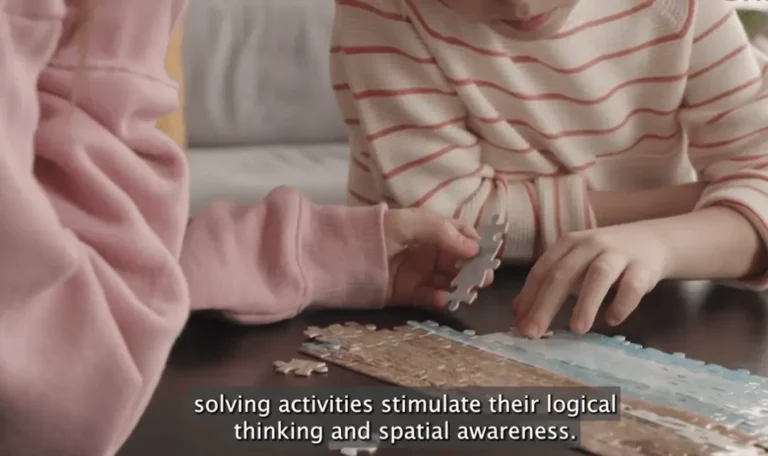
Games are a fantastic way to improve engagement, especially when it comes to subjects that may be harder to understand. For example, math can be a challenging subject for many students, but you can make it easier when turned into small challenges or puzzles, you can make the learning process both effective and fun.
These technological games are also helpful for teachers in high school to sharp the mental level of students with games.
The Power of Python for Game Development
Python is a great language to start with when it comes to game development. It’s simple, readable, and has libraries like Pygame that make building games a breeze.
Types of Games You Can Build in Python
These are just a few ideas for games you can create using Python. Each of them can be customized to suit the subject matter you’re working with, from simple math quizzes to complex strategy games.
1. Math Quiz Games: A Fun Way to Review
Math quiz games are a classic. They can be used to review a wide range of math topics, from algebra to calculus. The game asks a series of questions. Each correct answer adds to the player’s score, and they can compete for the highest score. You can use smart games in the classroom, where students can answer questions live. This adds an element of friendly competition to keep things exciting.
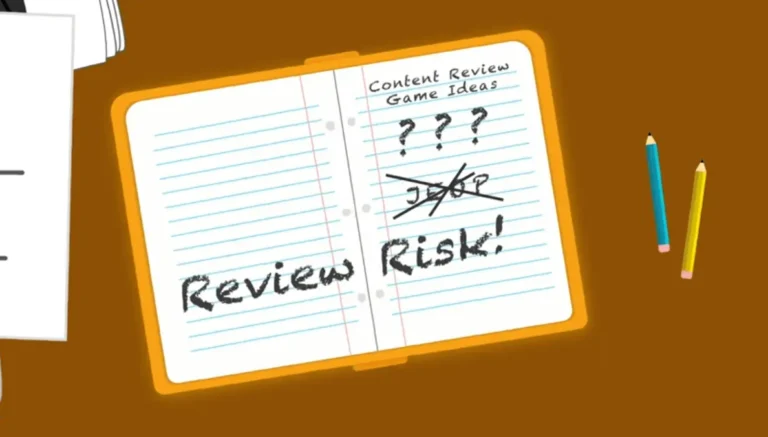
If you’re familiar with how to create Python-based games, you can easily use Pygame to create a full quiz game that’s both visually engaging and educational. You could create a “Math Jeopardy” game, where each category involves solving different types of math problems. You could also make a “multiplication battle,” where players solve multiplication problems to attack their opponent’s score.
2. Memory Games: Sharpen Your Mind
Memory games help strengthen recall ability and improve focus. You can create a simple card-matching game, where the player must find pairs of matching cards. Display a set of face-down cards. The player flips over two cards at a time, and if they match, they stay face-up. The goal is to match all the pairs in the shortest time possible.
These types of games can be adapted to cover educational topics. For example, in a history memory game, players match famous landmarks to their countries.
3. Tic-Tac-Toe: Classic Game with Educational Value
Tic-Tac-Toe isn’t just for fun; it’s also a great way to teach students about strategy, logic, and decision-making. You can turn this classic game into a learning game by adding different levels or difficulty based on the subject you’re teaching.
Players take turns marking X or O on a grid. The first player to get three in a row wins. You can add more complexity by using math problems in the grid. In a math-based Tic-Tac-Toe, each square contains a math problem that the player must solve before they place their mark.
4. Hangman: Guess the Word
Hangman is a game where the player guesses a word by suggesting letters one at a time. If they guess incorrectly too many times, the game is over. You can use a list of vocabulary words, math terms, or historical events to create a learning version of Hangman.
You can also set this game to play in morning meetings for a fresh start of the day? It’s simple and quick, and it can be customized to teach new words or review concepts learned the day before.
5. Number Guessing Game: Fun with Numbers
This simple game is perfect for learning math, especially for younger students or beginners. The game involves the computer selecting a random number, and the player has to guess it based on hints. You can even add a timer to increase the challenge and create a more competitive environment for your students.
The game will tell the player whether their guess is too high or too low, and the player must adjust their guesses until they find the right number. It’s a great way to teach students difficult subjects or even professions, because it encourages trial and error while improving their number sense and logic skills.
Conclusion
Incorporating learning games into your daily study routine can be a game-changer. Whether you’re creating good math review games, engaging board games, or reviewing concepts with teaching games, Python is a fantastic tool to make all of these possible. Not only does Python make it easy to create interactive, fun games, but it also allows you to customize them for different subjects and age groups.