Parenting is a rewarding journey, filled with moments of love, growth, and discovery. One of the most enjoyable parts is watching your children learn and develop through everyday activities. Whether it’s a nature walk, playing at home, or a simple game, there are unlimited opportunities for children to engage and explore.
Learning doesn’t have to be limited to structured environments. In fact, everyday moments can provide valuable learning experiences. By incorporating active learning games FamParentLife, and fun activities into daily routines, you can help support your child’s cognitive, emotional, and physical growth while also enjoying quality time together.
Why Learning Activities Matter for Children?
These activities provide children with opportunities to engage directly with the material, practice new skills, and retain important concepts. For more details about these activities you should explore our learning game article. Here is some short explanation of importance.
1. Cognitive Growth
Learning activities stimulate critical thinking, creativity, and problem-solving skills that are crucial for cognitive development. When children are actively involved in learning, they are better able to understand and recall information.
2. Emotional Development
These activities help children express themselves and regulate their emotions. These activities also build resilience, helping children deal with both success and failure in a healthy way.
3. Social Skills
Group-based activities encourage teamwork, empathy, and communication skills. Children learn to work together, share, and solve problems as a team.
4. Physical Development
Active learning activities improve motor skills, strength, and coordination. Physical movement is important for developing balance and agility while also promoting physical health.
Types of Active Learning Games FamParentLife
Learning activities can be categorized into different types, each focusing on specific aspects of development. Here are some activity types that can be tailored to your child’s needs and interests:
Physical Learning Activities
Physical activities are essential for young learners, promoting coordination, strength, and overall physical health. Here are a few examples:
Creative Learning Activities
Creative activities help children express themselves, develop imagination, and build confidence. These activities are perfect for fostering creativity:
Cognitive Learning Activities
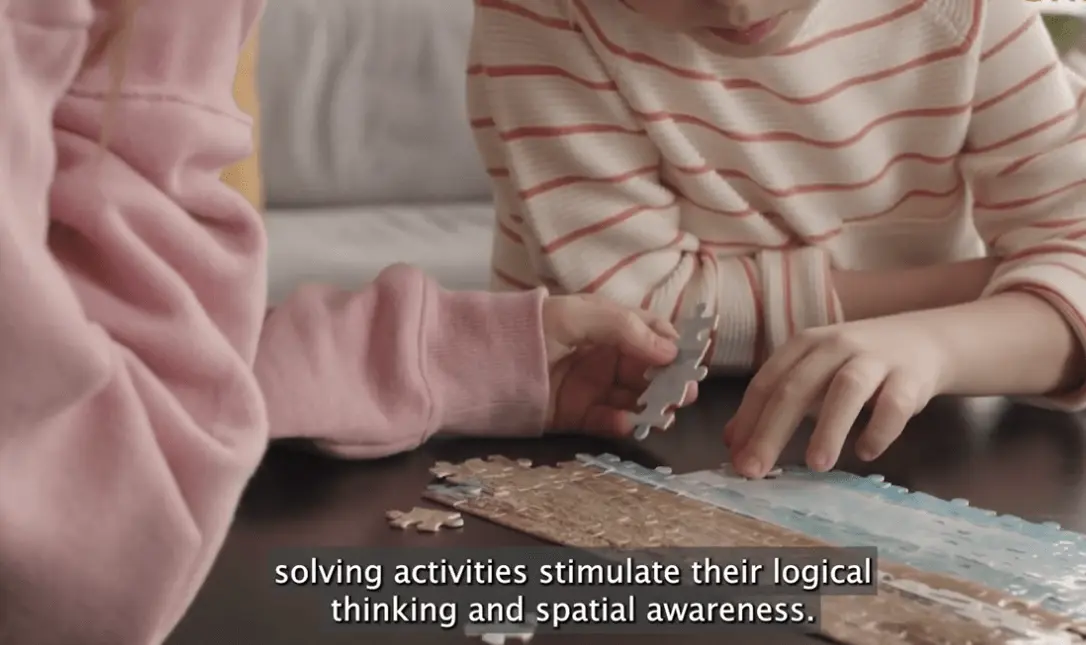
Cognitive activities challenge children to think critically and solve problems, helping to build intellectual skills:
Social and Emotional Learning Activities
Social and emotional skills are just as important as cognitive abilities. These games can help children build empathy, regulate emotions, and develop social skills:
Family-Oriented Learning Activities
Learning together strengthens relationships. Engaging in family-friendly active learning games, FamParentLife creates opportunities for parents and children to bond while learning:
Age-Appropriate Learning Activities
Children learn at different rates and in different ways at each stage of their development.
| Age Group | Activities |
| Toddlers (1–3 Years) | Building with blocks, water play, and simple action songs. |
| Preschoolers (3–5 Years) | Matching games, pretend play, and finger painting. |
| School-Age Children (6–12 Years) | Science projects, cooking together, and board games. |
| Teenagers (13–18 Years) | Debates, volunteer projects, and digital art projects. |
FamParentLife’s Approach to Learning Activities
At FamParentLife, every moment can be turned into a learning opportunity. The approach is centered on three key principles:
Incorporating Technology into Learning
While technology can boost learning, it’s important to balance screen time with hands-on activities to maintain a well-rounded learning experience. Technology can complement active learning by providing interactive experiences:
Conclusion
Learning activities are a powerful way to nurture your child’s intellectual, emotional, and physical development. At FamParentLife, we believe that learning should be enjoyable and engaging, and by incorporating these activities into your daily routine, you’ll not only help your child learn but also strengthen your family bonds.