Dread is a unique and exciting game that brings horror and adventure to life. Unlike other games that use dice, Dread uses a Jenga tower to build suspense. Every time you take a risky action, you must pull a block from the tower. If it falls, your character faces a major consequence. The thrill of watching the tower shake with every move keeps players hooked, making it a perfect choice for those who love tension-filled games.
If you want to enjoy intense gameplay like that found in the roguelike games, Dread offers a similar mix of risk and reward. It’s easy to learn and doesn’t require much preparation, just a Jenga set and your imagination. The Dread Game book helps guide the story, allowing you to create characters and explore different adventures. Many players love how each game feels fresh and exciting, with no two stories ever being the same.
What is the Dread Game?
The Dread Game is a unique tabletop RPG designed to deliver a chilling experience. Unlike many other RPGs that use dice rolls to resolve actions, Dread uses a Jenga tower as the central mechanic. The game is set up to simulate a horror environment where players build a narrative together.
The tension comes not just from the story but from the physical act of pulling blocks from the Jenga tower as part of the game mechanics. Every time a player attempts to perform a risky action, they must pull a block from the tower. If the tower falls, the game ends, usually with a tragic or horrifying outcome for the characters involved.
This game works well for those who enjoy suspenseful, character-driven stories where the environment itself adds an element of danger. This makes it a fantastic option for group storytelling, where tension builds with each move made in the game. For fans of unique and immersive experiences, this game is up there with other great titles, like Spirit of the North.
The Dread Game Book
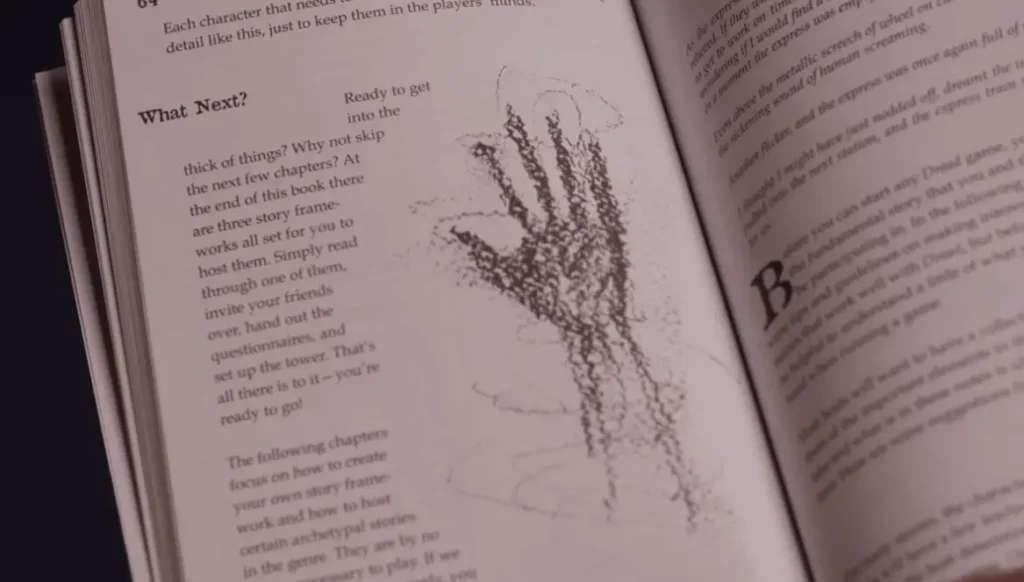
To play Dread, you’ll need the Dread Game book. This book contains the essential rules, tips for storytelling, and character creation guidelines. It provides everything you need to set up your game, develop characters, and start your adventure. It is a key resource that helps GMs craft the story and manage the game. While the book is the foundation of the game, its unique aspect is that it leaves much of the narrative to the players.
In addition to the basic rules, it also includes example scenarios to help players get started. These scenarios feature common horror settings like haunted houses, dark forests, or psychological thrillers. The Dread RPG system is highly adaptable, allowing you to tailor the game to your preferred horror style.
How to Play the Dread Game?
Dread is a game that involves both physical and mental elements. Here’s a simple breakdown of how to play:
Setting Up the Game
You’ll need a Jenga tower, which will act as the game’s central mechanic. The tower should be set up on a flat surface where it’s easy for players to interact with. Each player creates a character using the guidelines in the Game book. The characters should have detailed backstories, motivations, and flaws that will drive their actions during the game.
The Tower Mechanic
Each time a player attempts a risky action, they must pull a block from the Jenga tower. The difficulty of the action will determine whether they need to pull a block. For example:
Building the Narrative
This Game is all about storytelling. As you play, you and the other players build the narrative together. The Game Master will guide the story, but the players will drive it forward through their decisions and actions. The game thrives on suspense, with each pull from the tower increasing the tension.
The Game Ends
The game ends when the Jenga tower falls, which symbolizes the collapse of the story’s tension. The game is designed to finish dramatically, and when the tower falls, the characters face the consequences of their actions. It’s a thrilling way to conclude the game, as it often leads to a dramatic and unexpected outcome.
Dread Game Rules
The Game rules are relatively simple, but they can lead to complex and intense gameplay. Here are some of the basics:
Dread Game Scenarios
While the core mechanics of Dread are simple, the possibilities for storytelling are endless. The Dread Game book provides different game scenarios to help you get started. These scenarios include classic horror setups, such as:
These scenarios are designed to spark your creativity, but they are also flexible enough for you to create your own stories. It’s similar to the variety seen in the best indie games, where each story offers new experiences for the players.
If you prefer digital copies, you can find the Dread RPG PDF online. The PDF version offers all the same rules, character creation options, and scenarios as the physical book, making it easy to download and start playing immediately. The Dread RPG PDF is a great alternative for players who want easy access to the game without the need for physical copies.
Common Mistakes to Avoid in the Game
Like any game, Dread has its fair share of pitfalls. Here are a few common mistakes to avoid:
Why Play Dread?
This Game offers a unique mix of horror, suspense, and cooperative storytelling that isn’t found in traditional RPGs. It’s an excellent choice for groups who want an interactive experience that focuses on building a shared narrative. The game’s Jenga mechanic adds a layer of physical tension that is rare in most tabletop games, making each session exciting and unpredictable.
The combination of the Jenga tower, the collaborative storytelling, and the emotional stakes creates an unforgettable experience for players. The Dread RPG system may be simple, but its impact is anything but.
Conclusion
If you want a horror-themed RPG with high stakes and an emphasis on cooperative storytelling, it is the perfect game. With a few simple game rules, you and your friends can embark on thrilling adventures filled with suspense and danger. If you’re using the Dread Game book, exploring the Dread RPG PDF, or playing a classic game scenario, there are endless possibilities for fun and excitement.